Hit a Fitness Plateau After 60? How to Keep Progressing
By Kristen Nielsen, Founder & Senior Fitness Specialist
· Updated · Body · 3 minute read
Part of our guide: Strength Training for Seniors: The Complete Guide
Key takeaways
- A fitness plateau after 60 means your body has adapted to your routine; to keep progressing, add about 5–10% more effort, change exercises, or recover better.
- A plateau is a sign your body is stronger and ready for a new challenge, and increasing either weight or repetitions can both restart progress.
- After 60, focusing on good form and recovering well with sleep, hydration and rest days matters more than simply doing more.
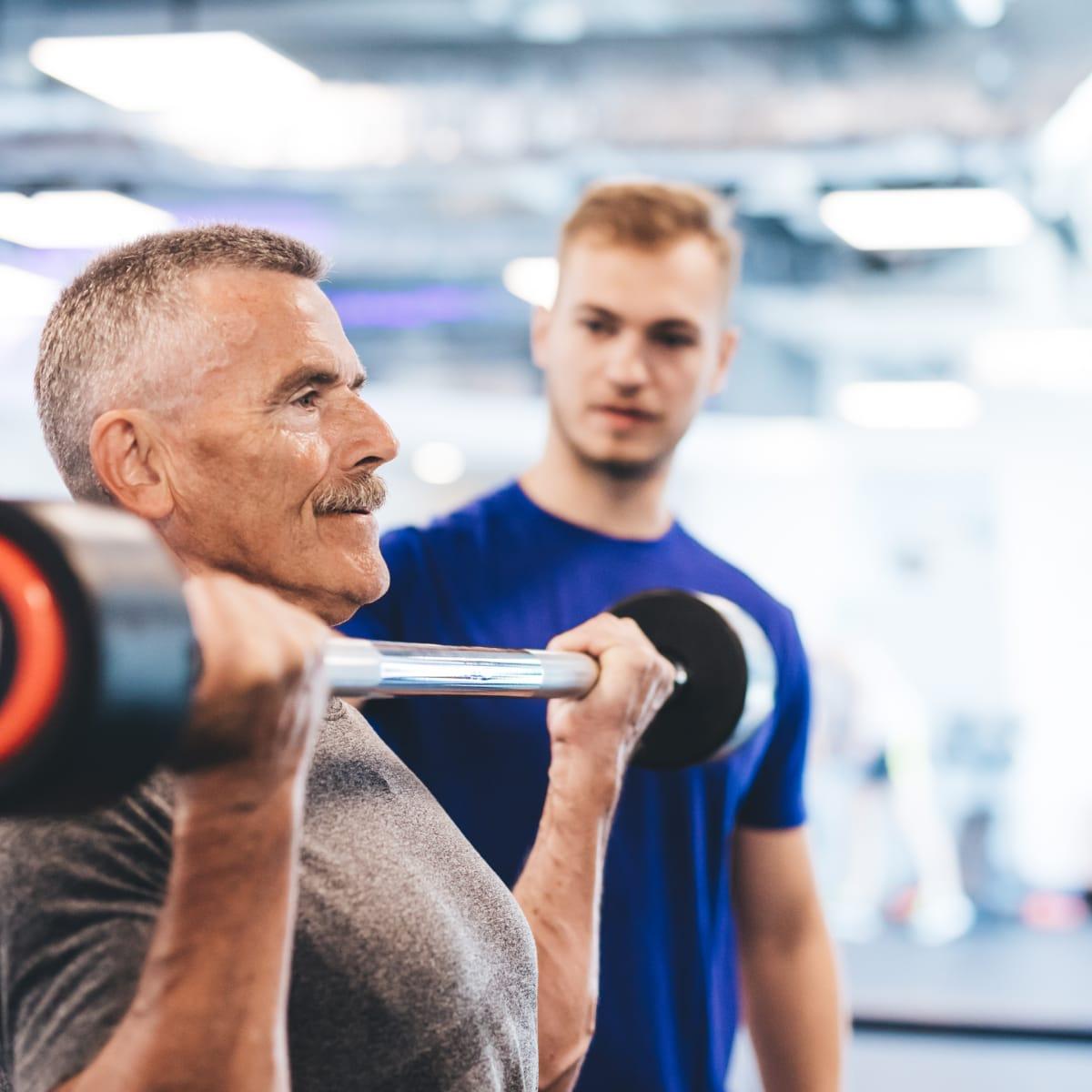
A fitness plateau after 60 usually means your body has adapted to your routine, and the way to keep progressing is to change something small: a little more effort, a new exercise, or better recovery. If you've been exercising for a while and feel like your progress has slowed, you're not alone. This is what we call a plateau — a natural stage where your body has adapted to your routine. For adults over 60, this is especially common, but it doesn't mean progress is over. With the right adjustments to your strength training, you can continue building strength, energy, and confidence.
Why Do You Hit a Fitness Plateau After 60?
Our bodies are designed to adapt. That's why, in the beginning, exercise feels like it delivers fast results — but after a while, the same workout doesn't create the same change. Research shows that even well-trained older adults reach points where strength and endurance gains level off unless training is adjusted (Knechtle et al., International Journal of Environmental Research and Public Health, 2022).
This is actually good news: it's a sign your body is stronger and now needs a new challenge.
How Do You Break Through a Fitness Plateau?
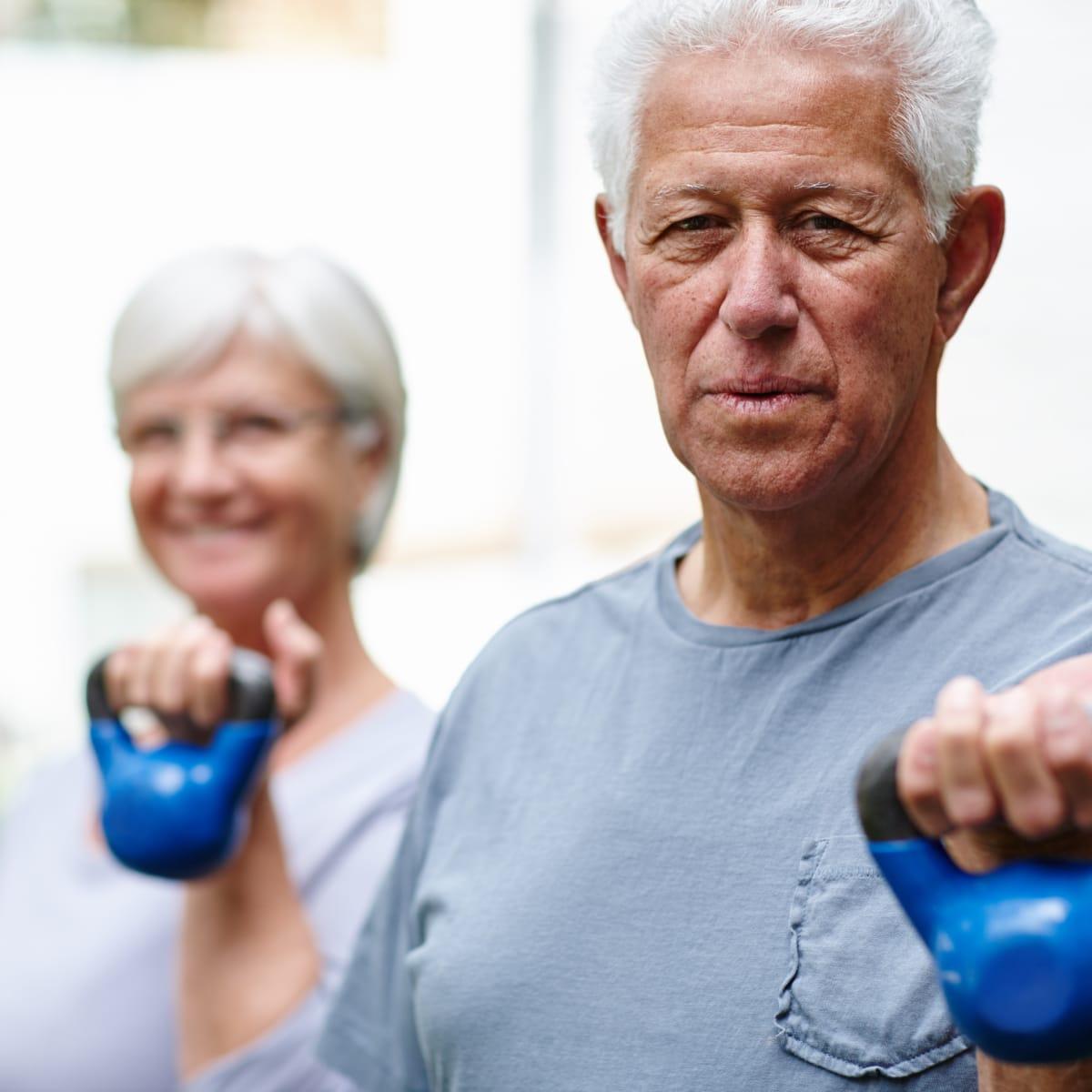
Give your body a new challenge in small, safe steps. Here are five ways to do it:
1. Make Small, Smart Changes
Even adding 5–10% more effort — like holding a balance stance a few seconds longer, walking an extra block, or adding 2 lbs to your weights — can spark new gains without overstraining (American College of Sports Medicine, 2009).
2. Add Variety
Changing your routine is like giving your body a puzzle to solve. If you've been walking, try adding resistance band exercises. If you usually do seated strength work, try some standing balance drills. These small changes keep both your body and brain sharp (American College of Sports Medicine, 2009).
3. Mix Intensity and Repetition
A 2022 study found that increasing either weight or repetitions worked equally well for progress (Plotkin et al., PeerJ, 2022). This means you can choose what feels safe and comfortable for your joints while still getting results. (Not sure how hard to push? Here's how hard seniors should strength train.)
4. Quality Over Quantity
For older adults, it's not about doing more, but doing things better. Focus on good form, breathing well, and engaging the right muscles. Research suggests intentional, focused strength training often leads to better outcomes than simply adding more sets.
5. Recover Well
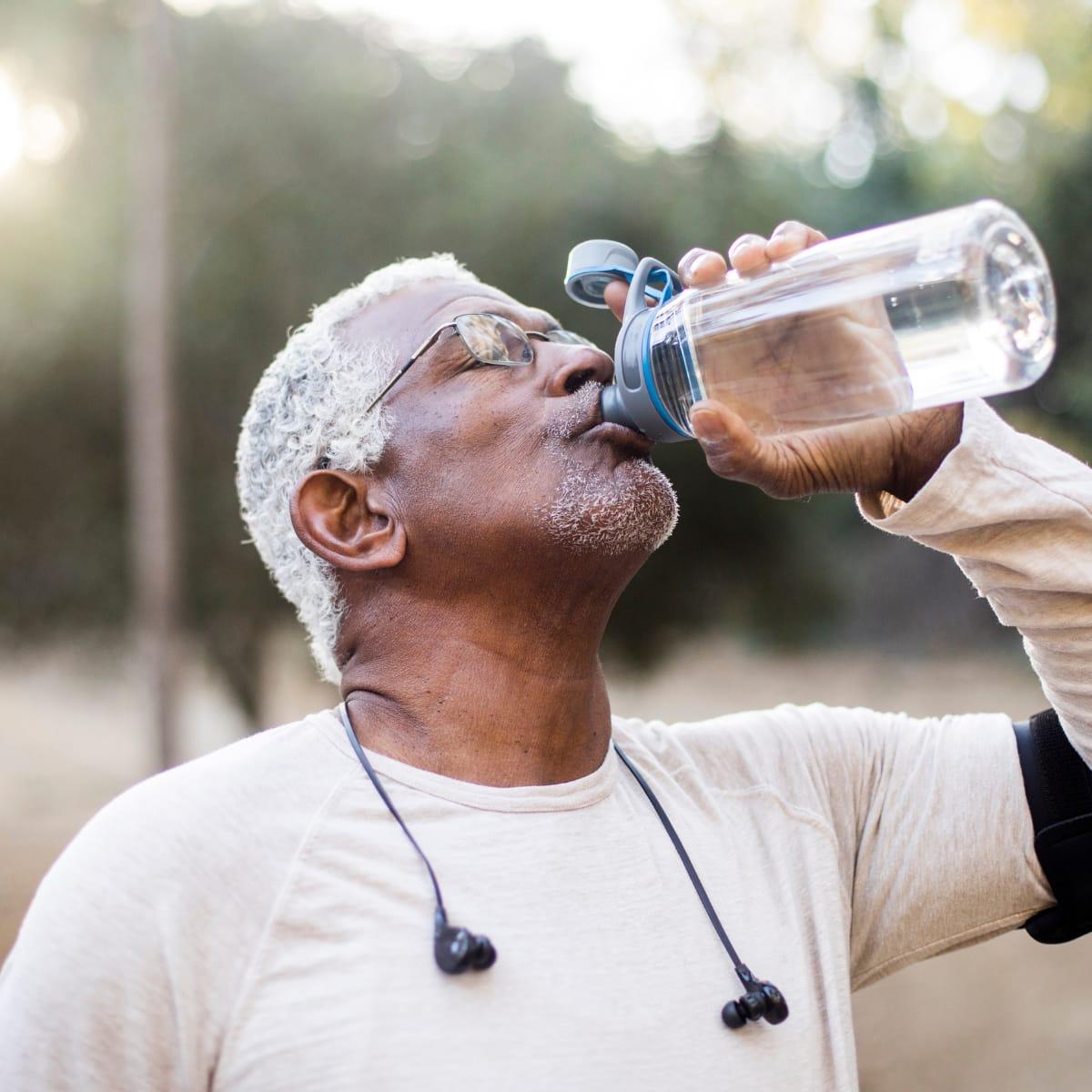
At 60+, recovery matters more than ever. Muscles and joints need time to repair and grow. Aim for good sleep, hydration, and rest days so your body can come back stronger (American College of Sports Medicine, 2009).
Is a Plateau a Sign You're Getting Weaker?
No. Plateaus are not failures — they're signs of growth. For adults over 60, breaking through is about safe progression, variety, and intentional recovery. By staying engaged and making small but consistent changes, you'll keep improving your strength, energy, and independence at any age. Retesting something simple, like the 30-second chair stand test, every few months is an easy way to see that progress, and if you'd like a fresh plan, that's what we do in in-home personal training.
Kristen
Try the recipe: For a powerful protein combo, try my high-protein lentil & chicken bowl — get the recipe.
Sources
- American College of Sports Medicine. American College of Sports Medicine position stand. Progression models in resistance training for healthy adults. Med Sci Sports Exerc. 2009;41(3):687-708. View source
- Plotkin D, Coleman M, Van Every D, et al. Progressive overload without progressing load? The effects of load or repetition progression on muscular adaptations. PeerJ. 2022;10:e14142. View source
- Chodzko-Zajko WJ, Proctor DN, Fiatarone Singh MA, et al. American College of Sports Medicine position stand. Exercise and physical activity for older adults. Med Sci Sports Exerc. 2009;41(7):1510-1530. View source
This article is for general education and isn't medical advice. Please talk with your doctor before starting a new exercise, nutrition or supplement routine. See our health disclaimer.


About the author
Kristen Nielsen
Kristen founded TogetherWON after watching what strength training could do for older adults — including her own grandparents. She's an ACE Certified Personal Trainer with 10+ years in functional aging, a University of Central Florida graduate, and a former Division I swimmer and track & field athlete.
Senior Fitness Specialist · Functional Aging Specialist · Parkinson's Disease Specialist · Brain Health Trainer · Corrective Exercise Specialist
want these in your inbox?
Get my Saturday letters
One idea for your body, brain or balance each week, usually with a recipe. Unsubscribe any time.
Keep reading
Body · Stories
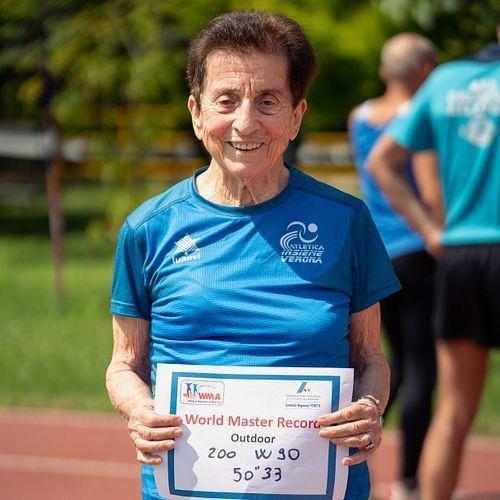
Building Muscle at 91: What a Sprinter Teaches Us
Researchers tested the muscles of a 91-year-old world-record sprinter. What they found shows why strength and power stay trainable as we age.
September 19, 2026 · 3 min read

Brain · Body
Music and Movement: A Brain-Body Workout to a Song
Pick a favorite song and let it set your pace. This simple music-and-movement workout challenges your brain and body at any fitness level.
September 12, 2026 · 2 min read
Body
2-Minute Step Test: Check Your Cardio Fitness at Home
The 2-Minute Step Test is a simple at-home check of your endurance. Here's how to do it, how to compare your score, and why cardio fitness matters.
September 5, 2026 · 2 min read