How to Stay Active Over the Holidays
By Kristen Nielsen, Founder & Senior Fitness Specialist
· Updated · Body · 3 minute read


Part of our guide: How Much Exercise Do Seniors Need? A Weekly Plan
Key takeaways
- To stay active over the holidays, lower the bar but stay consistent: 5 minutes of marching, 10 sit-to-stands or a short walk each day still counts.
- Attach a quick movement to something you already do every day, like 10 chair squats after pouring your morning coffee.
- When you feel off track, try a 5-minute routine of marching, sit-to-stands, heel raises, torso twists and deep breathing.
The easiest way to stay active over the holidays is to lower the bar but keep it consistent: a few minutes of movement every day, tied to something you already do. Even on busy days, that's how you keep chipping away at the amount of exercise seniors need.
The holidays are full of family, fun, and a lot of unexpected schedule changes, which can make it difficult to stay active! Routines shift, travel happens, visitors come and go, and suddenly even our best intentions for exercise get pushed aside.
The good news? Staying active during the holidays doesn't have to feel overwhelming. With a few simple strategies, you can weave movement into your days in a way that feels good, reduces stress, and supports your health all season long.
Why Does Staying Active Over the Holidays Matter?
Even small amounts of daily movement can help:
- Maintain strength and balance
- Keep joints comfortable
- Reduce stiffness from extra sitting
- Boost energy and mood
- Support better sleep
- Counteract stress and holiday overwhelm
Think of movement as a gift you give yourself — one that helps you feel better as you enjoy the people and traditions you care about.
1. Lower the Bar — But Keep It Consistent
During busy seasons, consistency is more important than intensity.
Instead of aiming for a full workout, try this:
- 5 minutes of marching or stepping in place
- 10 sit-to-stands from a sturdy chair (the same move as our chair stand test)
- A short walk around the house or driveway
A small daily routine is easier to maintain than a big one, and it keeps your body feeling steady and strong.
2. Turn Holiday Activities Into Movement Opportunities
You don't need a gym to stay active. Try:
- Walking a few extra laps while shopping
- Doing heel raises while waiting for something to finish cooking
- Stretching your arms overhead every time you get up from a chair
- Light balance practice (like standing with feet together) during TV commercials

These small habits add up quickly.
3. Create an "Anchor Moment"
Pick one daily activity you always do — morning coffee, brushing your teeth, or getting ready for bed — and attach a simple movement routine to it.
For example:
- After I pour my morning coffee, I do 10 chair squats.
- After I brush my teeth, I do 30 seconds of balance practice.
Anchor moments turn movement into something automatic, even when your schedule is unpredictable. It's the same approach I use to start an exercise habit any time of year.
4. Prioritize Joy Over Perfection
If your usual routine doesn't happen, that's okay. The goal is not perfection — it's continuing to do what you can with the day you have.
Ask yourself: "What's one thing I can do to move my body today?"
A 5-Minute Holiday Movement Plan
Here's a 5-minute routine to use anytime you feel off track:
- March in place – 30 seconds
- Sit-to-stand – 8–10 repetitions
- Heel raises – 10–15 repetitions
- Seated or standing torso twist – 10 per side
- Deep breathing – 5 slow breaths
Short, doable, and effective. If you're away from home, online personal training can keep you on track wherever you are.

Does a Little Movement Really Count?
Yes. Staying active during the holidays doesn't require perfect discipline — just small, meaningful choices. Every little bit of movement keeps you stronger, steadier, and more energized for the moments that matter most.

Kristen
Try the recipe: Here's a fun holiday recipe to make with the grandchildren — get the recipe.
Sources
- Centers for Disease Control and Prevention. Physical activity benefits for adults 65 or older. Updated December 4, 2025. View source
- Gardner B, Lally P, Wardle J. Making health habitual: the psychology of 'habit-formation' and general practice. Br J Gen Pract. 2012;62(605):664-666. View source
This article is for general education and isn't medical advice. Please talk with your doctor before starting a new exercise, nutrition or supplement routine. See our health disclaimer.


About the author
Kristen Nielsen
Kristen founded TogetherWON after watching what strength training could do for older adults — including her own grandparents. She's an ACE Certified Personal Trainer with 10+ years in functional aging, a University of Central Florida graduate, and a former Division I swimmer and track & field athlete.
Senior Fitness Specialist · Functional Aging Specialist · Parkinson's Disease Specialist · Brain Health Trainer · Corrective Exercise Specialist
want these in your inbox?
Get my Saturday letters
One idea for your body, brain or balance each week, usually with a recipe. Unsubscribe any time.
Keep reading
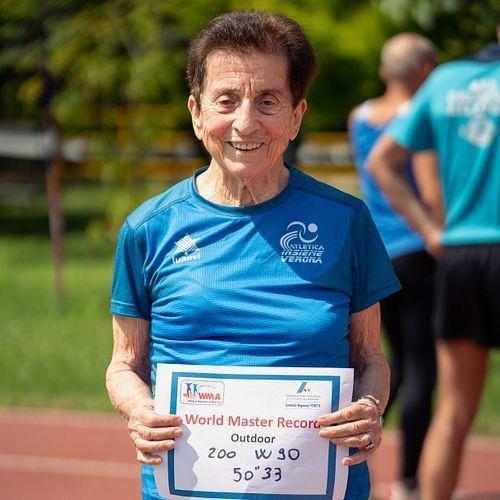
Body · Stories
Building Muscle at 91: What a Sprinter Teaches Us
Researchers tested the muscles of a 91-year-old world-record sprinter. What they found shows why strength and power stay trainable as we age.
September 19, 2026 · 3 min read

Brain · Body
Music and Movement: A Brain-Body Workout to a Song
Pick a favorite song and let it set your pace. This simple music-and-movement workout challenges your brain and body at any fitness level.
September 12, 2026 · 2 min read
Body
2-Minute Step Test: Check Your Cardio Fitness at Home
The 2-Minute Step Test is a simple at-home check of your endurance. Here's how to do it, how to compare your score, and why cardio fitness matters.
September 5, 2026 · 2 min read