Home Workout for Seniors Using Everyday Objects
By Kristen Nielsen, Founder & Senior Fitness Specialist
· Updated · Body · 3 minute read

Part of our guide: Strength Training for Seniors: The Complete Guide
Key takeaways
- A soup can, a water bottle and a milk jug filled with water are all you need for a 10-exercise, full-body home workout that takes about 20–30 minutes.
- Simple moves like water bottle curls, milk jug chair squats and a farmer's walk cover all the major muscle groups.
- Exercises should feel challenging, but stop right away if any movement causes sharp pain.
You can get a full-body strength workout at home with nothing more than a soup can, a medium-sized water bottle and a milk jug filled with water. The ten exercises below take about 20–30 minutes.
A common misconception about exercising is the belief that you need equipment or a gym membership to work out. While those things can be helpful, there are plenty of ways to get a great workout without them, and household items are an easy way to start strength training for seniors.
What Household Items Can You Use as Weights?
A soup can, a water bottle and a full milk jug work well because each gives you a different amount of resistance. Each of these objects will provide different resistance levels. For each exercise, I'll suggest an item to use, but feel free to choose a heavier or lighter option if needed.
10 Strength Exercises with Everyday Objects
1. Water Bottle Bicep Curls
How: Hold a water bottle in one hand, curl your arm upward, and slowly lower it back down. This strengthens your biceps. Repeat on both arms 8–10 times.
2. Water Bottle Shoulder Press
How: Hold a water bottle, press it overhead, then lower it back down. This strengthens your shoulders and arms. Repeat on both arms 8–10 times.
3. Milk Jug Deadlifts
How: Stand with feet shoulder-width apart, hold the milk jug with both hands, push your hips back and bend at the waist to lower the milk jug toward the floor, then stand up straight. This strengthens your legs, glutes, and lower back. Repeat 8–10 times. (Note: If you experience back pain, avoid this exercise or consult a trainer before proceeding.)
4. Milk Jug Chair Squats
How: Hold the milk jug close to your chest and sit down on a chair. Stand back up. This strengthens your legs and core. Repeat 8–10 times. (This is the same movement as our 30-second chair stand test, so it's a nice way to track your progress.)
5. Bent-Over Rows
How: Bend slightly at your hips and knees, hold the milk jug in one hand, and pull it toward your chest, then lower it back down. This works your back and arms. Repeat on both sides 8–10 times.
6. Soup Can Side Arm Raises
How: Hold a soup can in one hand, raise your arm out to the side, and slowly lower it. This strengthens your shoulder and improves stability. Do both sides 8–10 times.
7. Milk Jug Tricep Extensions
How: Hold the milk jug overhead with both hands, bend your elbows to lower the jug behind your head, and then straighten your arms. This works the triceps. Repeat 8–10 times.
8. Milk Jug Step Ups
How: Hold the milk jug with one hand and step both feet up on the step, then both feet down. Repeat this 15–30 seconds with the milk jug in one hand, then 15–30 seconds with the milk jug in the other hand. This strengthens your legs.
9. Water Bottle Core Twists
How: Sit or stand holding the water bottle in front of your chest. Twist your torso to the right, then to the left. This strengthens your core and improves mobility. Twist in both directions 8–10 times.
10. Milk Jug Farmer's Walk
How: Hold the milk jug in one hand at your side, stand up straight with your shoulders down and back, and walk forward 10–15 feet. Switch hands and repeat 4–6 times. This improves grip strength, posture, and balance.
How Long Does This Home Workout Take?
Going through all ten exercises 1–2 times gives you a full-body session lasting 20–30 minutes. This workout strengthens all the major muscle groups without the need for equipment or a gym membership! When you're ready for more challenge, try these resistance band exercises.
Important tip: It's important for exercises to feel challenging, but if any movement causes sharp pain, stop immediately. Consult a doctor and seek guidance from a trainer before trying that exercise again. We can also coach you through this routine with in-home personal training. Feel free to contact me with any questions.
Kristen
Try the recipe: For a lunch with plenty of crunch and protein, try this Mediterranean chickpea and chicken salad — get the recipe.
This article is for general education and isn't medical advice. Please talk with your doctor before starting a new exercise, nutrition or supplement routine. See our health disclaimer.


About the author
Kristen Nielsen
Kristen founded TogetherWON after watching what strength training could do for older adults — including her own grandparents. She's an ACE Certified Personal Trainer with 10+ years in functional aging, a University of Central Florida graduate, and a former Division I swimmer and track & field athlete.
Senior Fitness Specialist · Functional Aging Specialist · Parkinson's Disease Specialist · Brain Health Trainer · Corrective Exercise Specialist
want these in your inbox?
Get my Saturday letters
One idea for your body, brain or balance each week, usually with a recipe. Unsubscribe any time.
Keep reading
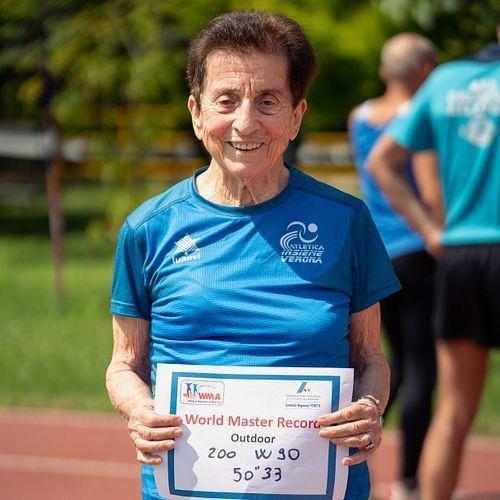
Body · Stories
Building Muscle at 91: What a Sprinter Teaches Us
Researchers tested the muscles of a 91-year-old world-record sprinter. What they found shows why strength and power stay trainable as we age.
September 19, 2026 · 3 min read

Brain · Body
Music and Movement: A Brain-Body Workout to a Song
Pick a favorite song and let it set your pace. This simple music-and-movement workout challenges your brain and body at any fitness level.
September 12, 2026 · 2 min read
Body
2-Minute Step Test: Check Your Cardio Fitness at Home
The 2-Minute Step Test is a simple at-home check of your endurance. Here's how to do it, how to compare your score, and why cardio fitness matters.
September 5, 2026 · 2 min read