Staying Independent as You Age: Freedom Is Earned
By Kristen Nielsen, Founder & Senior Fitness Specialist
· Updated · Body & Stories · 2 minute read
Part of our guide: How Much Exercise Do Seniors Need? A Weekly Plan
Key takeaways
- Staying independent as you age is earned by keeping up strength, balance and walking practice, so everyday tasks like stairs, chairs and groceries stay manageable.
- When we stop challenging our bodies, we can gradually lose strength, confidence and options, and everyday tasks start to feel like obstacles.
- Showing up for exercises, walks and balance practice, even when progress is slow, can help you keep doing the things that matter to you.
Staying independent as you age comes down to consistently doing the work that keeps you strong, steady and confident, even when it's hard. It rarely happens by accident, and it's one of the biggest reasons getting enough exercise after 60 matters so much.
I've been thinking about freedom in a personal way. Around the Fourth of July, I always want to recognize the many people who have served, sacrificed, and fought to protect the freedoms we enjoy in this country. Freedom has never come easily. It has been earned through courage, commitment, and sacrifice by people willing to give far more than most of us will ever fully understand.
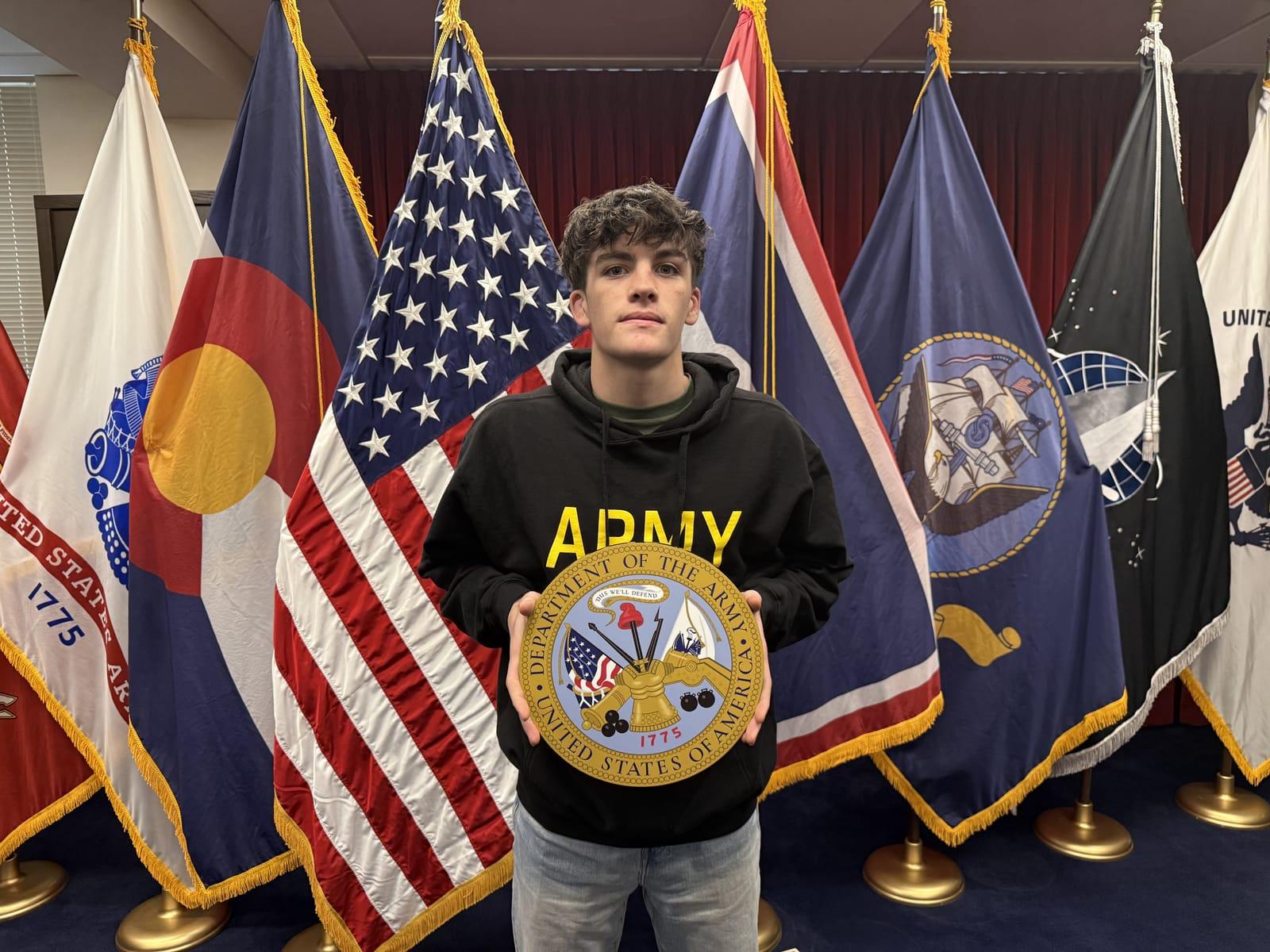
In 2026, that thought became more personal to me. My son was about to begin his service in the United States Army, and it made me think about sacrifice and freedom in a new way. I am incredibly proud of him, and I have a deeper appreciation for the people and families who choose to serve.
What Does It Take to Stay Independent as You Age?
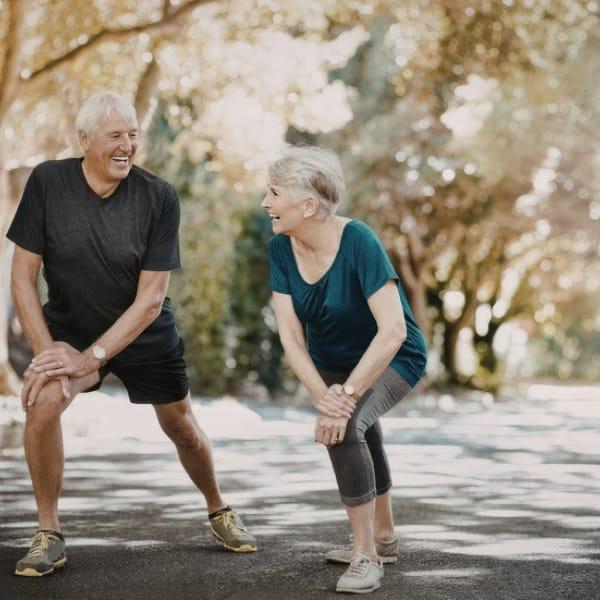
It takes regular work on the strength, balance and confidence that everyday life depends on. Of course, there are many kinds of freedom in life. The freedom to move independently, to go where you want to go, to take care of yourself, to travel, to play with grandchildren, to work in the yard, or simply to get through your day without depending on someone else is also something worth protecting.
That kind of freedom is often earned too.
I have worked with many clients who have had major physical setbacks and then faced the difficult work of rebuilding strength, balance, and confidence. Recovery is not easy. The exercises can be uncomfortable. Progress is sometimes slower than people hope. There are days when it would be much easier to avoid the work, move less, and wait for things to improve on their own.
But the easy path does not usually lead to more freedom.
What Happens When You Stop Challenging Your Body?
When we stop challenging our bodies, we can gradually lose strength, confidence, and options. Getting out of a chair becomes harder (a quick chair stand test is a simple way to check yours). Stairs feel less manageable. Walking on uneven ground becomes more intimidating. The things we once did without thinking can begin to feel like obstacles.
The alternative is not always easy, either. It means showing up for the exercises, taking the walks, practicing balance, and continuing to work even when progress feels slow.
But that effort can lead somewhere meaningful.
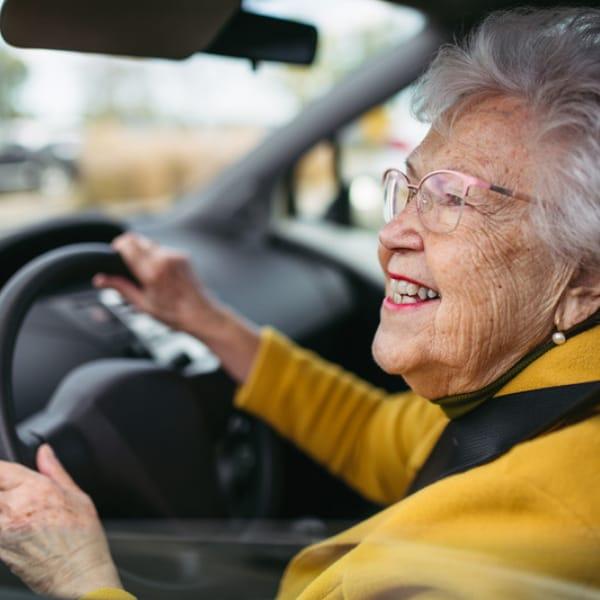
It can lead to getting back in the car without struggling. Taking a family trip. Walking through a store with more confidence. Returning to a favorite hobby. Carrying groceries. Getting up from the floor. Feeling more capable in your own home.
Freedom is earned one workout, one walk, one set of stairs, and one small decision at a time.
Choose one part of your independence that matters to you and keep investing in it. The work may not always be easy, but the freedom it protects is worth it.
Kristen
Try the recipe: My red, white & blue Greek yogurt berry cups are great for a Fourth of July breakfast, snack, or simple dessert — get the recipe.
This article is for general education and isn't medical advice. Please talk with your doctor before starting a new exercise, nutrition or supplement routine. See our health disclaimer.

About the author
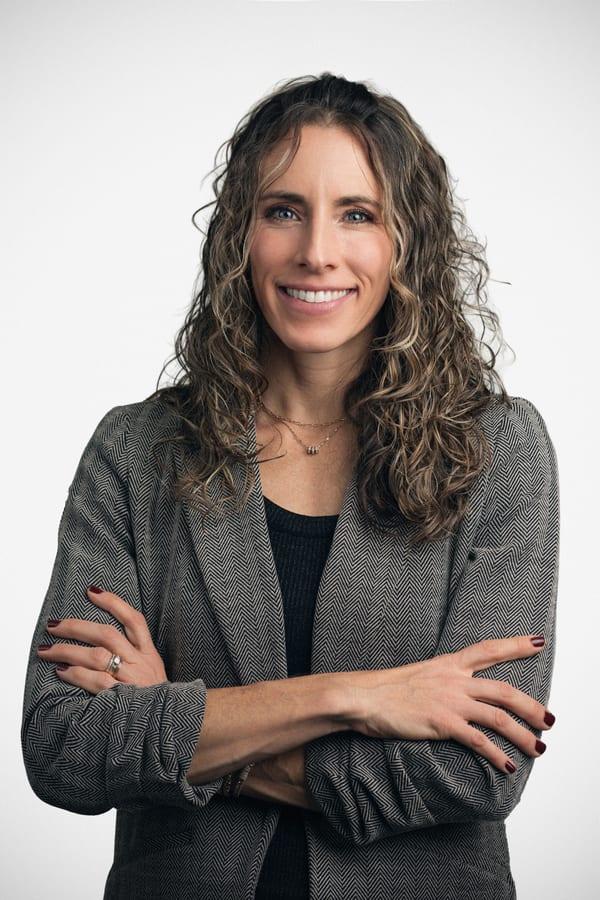
Kristen Nielsen
Kristen founded TogetherWON after watching what strength training could do for older adults — including her own grandparents. She's an ACE Certified Personal Trainer with 10+ years in functional aging, a University of Central Florida graduate, and a former Division I swimmer and track & field athlete.
Senior Fitness Specialist · Functional Aging Specialist · Parkinson's Disease Specialist · Brain Health Trainer · Corrective Exercise Specialist
want these in your inbox?
Get my Saturday letters
One idea for your body, brain or balance each week, usually with a recipe. Unsubscribe any time.
Keep reading
Body · Stories
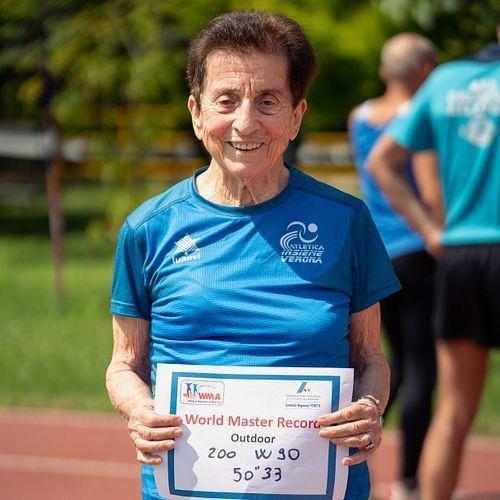
Building Muscle at 91: What a Sprinter Teaches Us
Researchers tested the muscles of a 91-year-old world-record sprinter. What they found shows why strength and power stay trainable as we age.
September 19, 2026 · 3 min read
Stories · Body
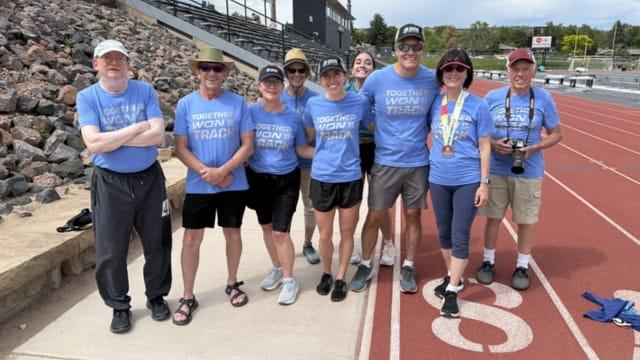
Senior Games Training: Why Having a Goal Motivates
Several TogetherWON athletes ran their first Senior Games races in 2026. Here's why having a goal, race or not, makes training more motivating.
June 20, 2026 · 2 min read
Stories · Body
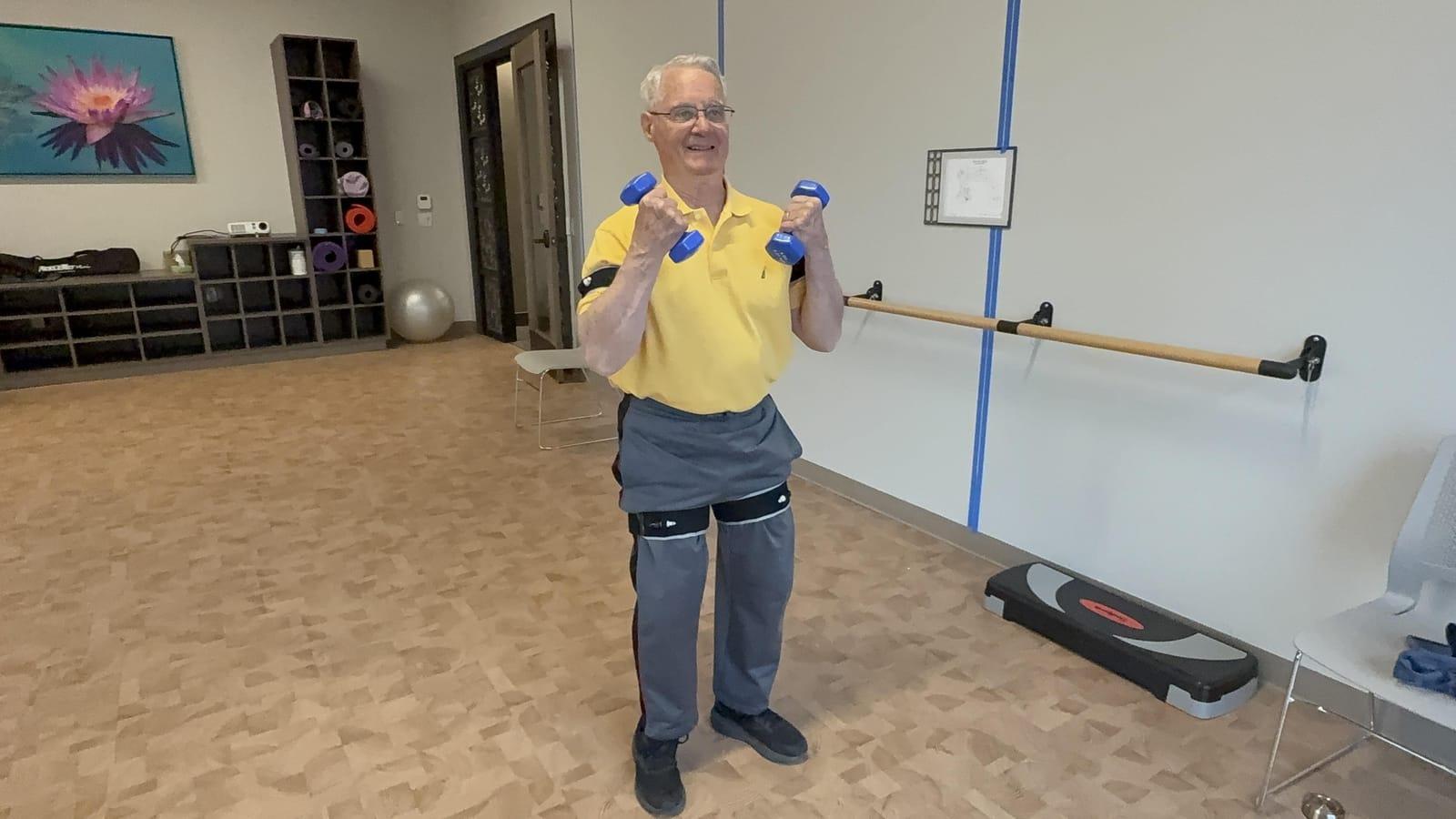
Can You Get Stronger at 82? Pat's BFR Training Results
In 13 blood flow restriction (BFR) sessions, 82-year-old Pat got stronger in every measured category using light weights. Here are his results.
May 16, 2026 · 4 min read